
Exploring the Dynamic World of CourierSweeper and the Exciting Integration of 21GAME
Dive into the thrilling mechanics of CourierSweeper, a game that combines strategy and excitement, with a spotlight on its new feature, 21GAME.


Gambling has been an engrained part of cultural traditions for centuries, offering not only entertainment but also a chance for financial reward. In the Philippines, one of the most prevalent illegal numbers games, known as Jueteng, stands out not just for its longevity but also for its widespread influence. With the introduction of the term "21GAME," commonly associated with Jueteng, its notoriety continues to capture people's attention both in the country and worldwide.
The game of Jueteng finds its roots deeply embedded in Filipino history. Originating during the Spanish colonial period, this numbers game was initially a pastime for local communities. Historically, Jueteng has seen generations of Filipinos grow familiar with its operation, characterized by a blend of luck and intrigue. Over time, Jueteng evolved from being a game of chance to a social phenomenon that pervades various societal layers, from rural provinces to urban metropolises.
Marked with many aliases, the most recent adaptation, 21GAME, is said to represent a newer, perhaps digital incarnation of the game. 21GAME suggests a more systematic approach to betting, possibly integrating modern technologies to broaden its reach and engagement. This evolution has allowed Jueteng to persist in an environment where authorities continually attempt to curtail illegal gambling.
Jueteng is relatively simple in its mechanics yet intricate in its structure. Players select two numbers from one to 37 and place their bets. A draw then occurs, and if the chosen numbers are picked, the bettors win a prize relative to their wager. In this setup, 21GAME doesn’t deviate much from the traditional numbers game. However, it may incorporate additional rules or betting systems, capitalizing on its allure through amplified winnings or digital convenience.
Jueteng thrives in areas often characterized by lower socioeconomic status. For many, it is seen as a quick escape from financial hardships, a chance to transcend economic limitations, albeit temporarily. Communities view earnings from Jueteng as blessings. This perception fuels a cycle of veneration and dependency, with revenues often directed back into the game, feeding a cyclic economic loop.
While the perception of Jueteng may hold localized positive impacts, such as community enrichment or short-term financial relief, it cannot be denied that the overarching consequences often tilt toward negative economic distortion and perpetuation of poverty.
The difficulty in uprooting Jueteng, and by extension, newer iterations like 21GAME, lies in its deep integration in society. Political figures and law enforcement officials have historically faced accusations of being co-opted or ineffective in their efforts to curtail this gambling. This complexity is compounded by the lack of community alternative activities that can substitute the social and economic functions of Jueteng.
In many Philippine regions, the connectivity between local politics and Jueteng operators are well-publicized. These operators, often wielding significant influence, have strategically penetrated various levels of governance. In doing so, they provide financial support in exchange for tacit protection or lenient enforcement of gambling laws. Consequently, any attempt at legal reform or policing frequently encounters institutional resistance.
Amidst the perennial battle between law enforcement and illegal gambling, discussions on the potential legalization and regulation of Jueteng and manifestations like 21GAME persist. Proponents argue that legalization could introduce substantial government revenues through taxation, while also enforcing regulatory oversight, minimizing the corrupt practices currently surrounding illegal operations.
Jueteng, punctuated by iterations like 21GAME, remains deeply entrenched in Filipino culture. While authorities grapple with its legal challenges, communities continue to engage with it, hoping for fortuitous outcomes. As technologies advance, one might foresee transformations steering 21GAME into newer domains, expanding its reach and possibly altering its traditional dynamics.
Ultimately, the future of Jueteng and 21GAME lies in the balancing act between heritage and legal enforcement, a challenging feat yet a vital one for societal progress.
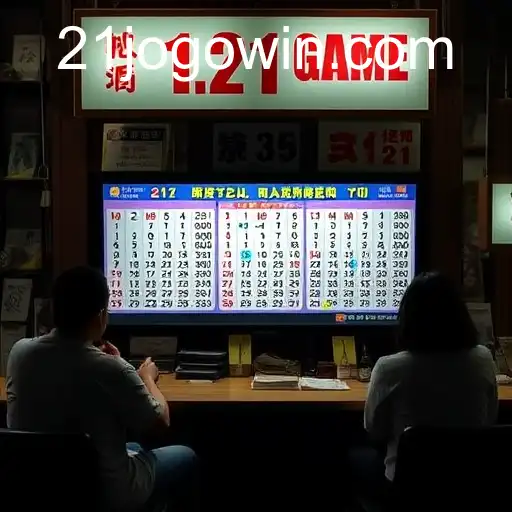
If you're looking for a reliable, fully licensed, and secure sportsbook with a wide selection of games, 21GAME is the perfect choice. We're committed to providing you with the best online betting experience, with premium quality, excellent service, and continuous innovation. Sign up now and receive ₱777 for free!
Join now
Get the latest information, experience and betting strategies from the expert team at 21GAME.
Dive into the thrilling mechanics of CourierSweeper, a game that combines strategy and excitement, with a spotlight on its new feature, 21GAME.

Explore the enchanting world of SnowQueen, where fantasy and strategy intertwine in the captivating 21GAME.

Explore CooCooFarm's vibrant universe, engaging gameplay, and innovative mechanics with our detailed guide.

Dive into the world of FlirtingScholar, a captivating game that combines elements of strategy and adventure with unique challenges.

Dive into the captivating world of GemSaviourSword, where adventure meets strategic gameplay. Learn about the game's unique features, rules, and its connection to current trends in the gaming industry.

Discover CaribbeanQueen, an innovative 21GAME combining vibrant island themes with exciting gameplay. Learn about its features, rules, and the immersive experience it offers to players worldwide.
 Join now